
Men's Health Nutrition Guide
Comprehensive nutritional strategies and evidence-based approaches to enhance male vitality, energy, and overall wellness through informed dietary choices.
The information on this site is for educational purposes only and does not constitute medical advice. Always consult a qualified healthcare professional before making health decisions.
Explore Our Content Areas

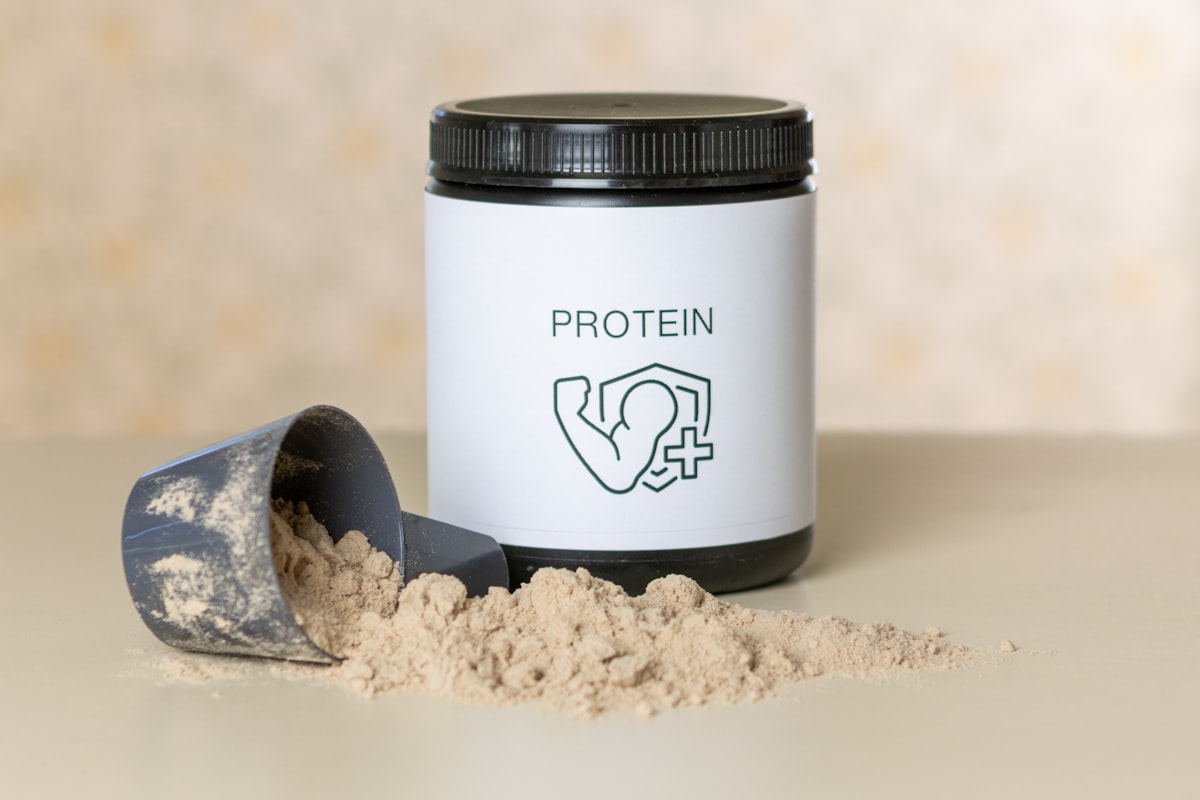
Protein Strategies for Male Athletes
Discover optimal protein intake, timing, and food sources to maximize muscle development and athletic performance. Learn how macronutrient distribution supports recovery and strength gains.
Micronutrient Essentials for Men
Explore zinc, magnesium, selenium, and vitamin D roles in male hormonal balance and metabolic function. Understand food sources and supplementation guidelines based on individual needs.

Cardiovascular Nutrition Protocols
Evidence-based dietary approaches to support heart health, blood vessel function, and healthy cholesterol profiles. Includes anti-inflammatory food combinations and practical meal planning.

Sustainable Weight Management Framework
Long-term strategies for body composition optimization without extreme restriction. Learn calorie balance, nutrient density, and behavioral nutrition principles tailored for male metabolism.
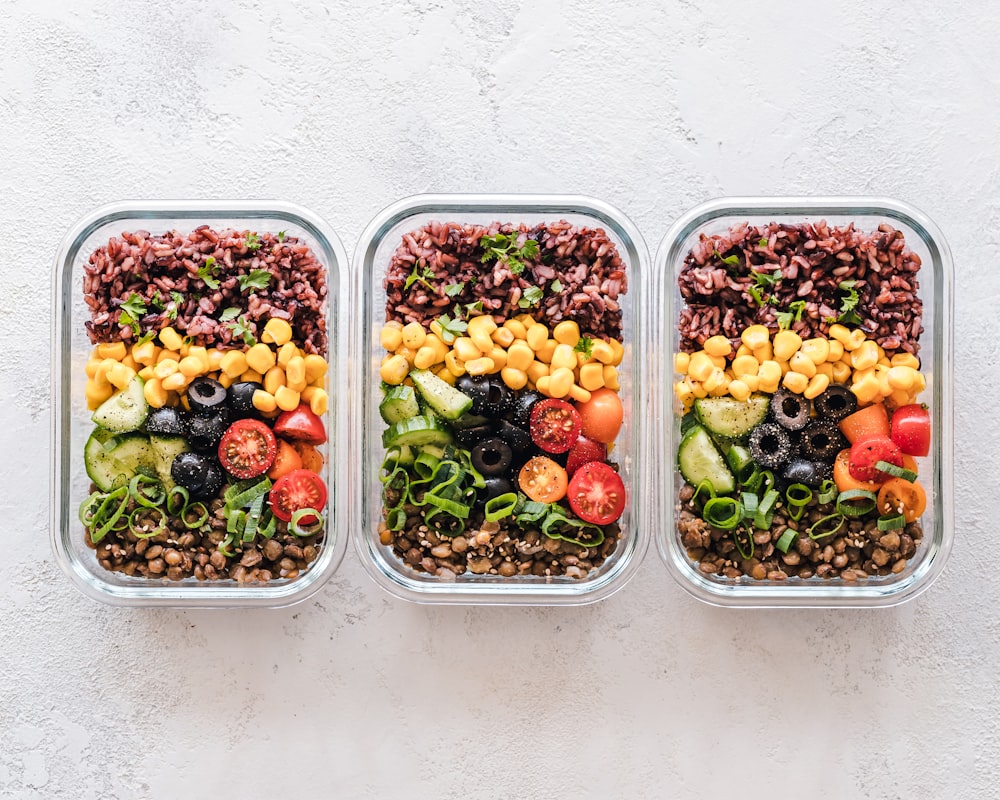
Pre & Post-Workout Nutrition Timing
Master nutrient timing strategies to enhance performance, reduce muscle breakdown, and accelerate recovery. Discover carbohydrate, protein, and hydration protocols for peak results.

Sleep Optimization Through Nutrition
Explore how dietary choices influence sleep quality and recovery processes. Learn about magnesium sources, evening meal composition, and timing strategies for improved rest and restoration.

Digestive Health & Nutrient Absorption
Understand gut function, microbial balance, and optimal digestion for maximum nutrient utilization. Includes fiber strategies, fermented foods, and supportive dietary patterns.
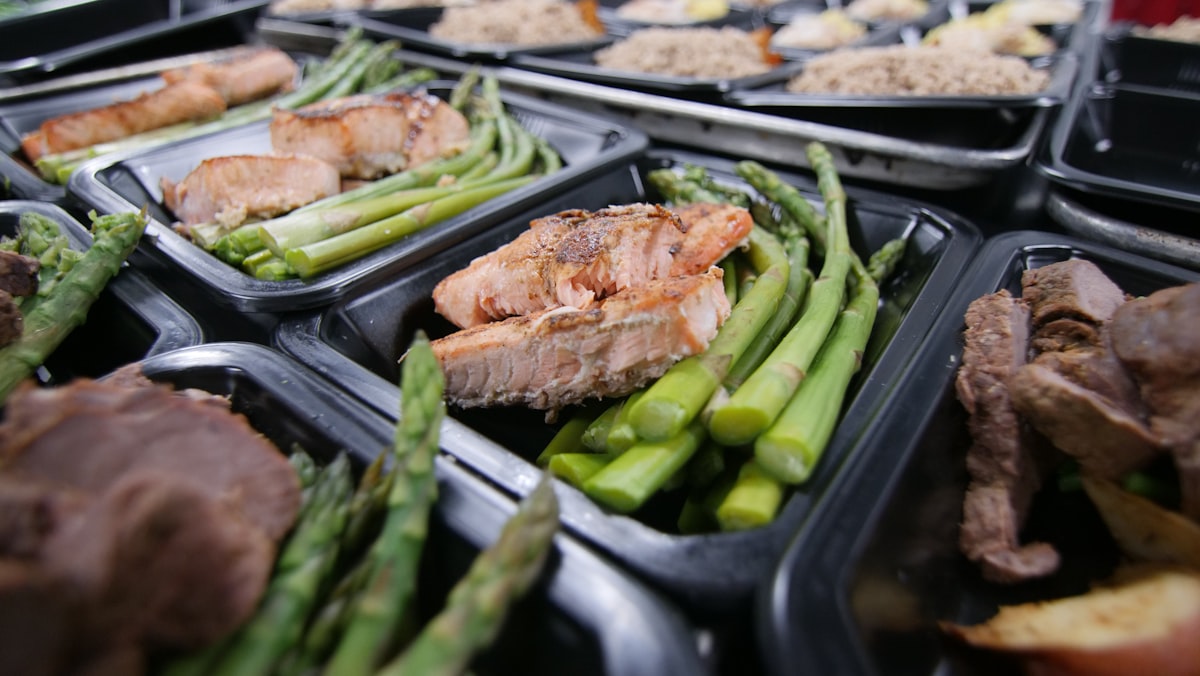
Anti-Inflammatory Nutrition for Active Men
Learn how specific foods and nutrients reduce exercise-induced inflammation and support recovery. Includes omega-3 strategies, antioxidant-rich foods, and meal composition principles.
Featured Articles
Deep-dive content from our nutrition specialists covering the latest research and practical applications.
The Role of Amino Acid Profiles in Muscle Synthesis
Detailed exploration of essential and conditionally essential amino acids, their roles in protein turnover, and how food combinations optimize muscle-building potential for men at different training stages.
Explore ArticleHydration Science: Beyond Water Intake
Comprehensive guide to electrolyte balance, fluid intake timing, and beverage selection for optimal performance and recovery. Includes practical hydration strategies for various activity levels.
Explore ArticleFrequently Asked Questions
How much protein should men consume daily?
Protein requirements vary based on activity level and goals. General recommendations range from 1.2-2.2 grams per kilogram of body weight for active men. Strength athletes often benefit from the higher end, while sedentary individuals need less. Distribute intake across meals for optimal muscle protein synthesis throughout the day.
What are the best food sources of magnesium for men?
Magnesium-rich foods include dark leafy greens (spinach, kale), pumpkin seeds, almonds, cashews, black beans, chickpeas, and whole grains. Magnesium supports muscle function, nervous system health, and sleep quality. Aim for 400-420 mg daily from food sources when possible.
Should I eat before or after my workout?
Both timing periods matter. Pre-workout meals (2-3 hours prior) should include carbohydrates and moderate protein for sustained energy. Post-workout nutrition (within 2 hours) with protein and carbs supports recovery and muscle adaptation. Individual tolerance and schedule flexibility are important considerations.
Are supplements necessary for male fitness goals?
Whole foods should form the foundation of your nutrition plan. Supplements can fill specific gaps when dietary intake is insufficient, such as vitamin D in low-sunlight climates or creatine for certain training objectives. Quality matters—consult our nutrition specialists about individual needs.
How does hydration affect athletic performance?
Even mild dehydration (2% body weight loss) impairs strength, endurance, and mental focus. Maintain consistent hydration before, during, and after exercise. Water needs vary by climate, intensity, and individual sweat rate. Monitor urine color as a practical hydration indicator.
What dietary patterns support long-term weight management?
Sustainable approaches emphasize whole foods, adequate protein, sufficient fiber, and caloric balance aligned with activity. Restrictive diets often fail; flexibility and consistency matter more. Focus on satiety, nutrient density, and realistic eating patterns you can maintain for years.
Get Updates on Nutrition Research & Tips
Subscribe to receive expert insights, evidence-based nutrition strategies, and practical guidance directly in your inbox.
We respect your privacy. Unsubscribe anytime.
Why Choose Bodychangecon's Nutrition Content
Evidence-Based Content
All articles reviewed by qualified nutritionists and informed by current scientific literature, ensuring accurate and reliable information.
Practical Guidance
Actionable strategies and meal ideas designed for real-world implementation, not theoretical nutrition concepts or complex formulas.
Diverse Topics
Comprehensive coverage from muscle building to cardiovascular health, meeting the varied nutritional interests of active men.
Regularly Updated
New articles and updated information reflecting the latest research findings and nutritional science developments.
Transparent Approach
Clear methodology, source citations, and honest discussion of limitations and individual variability in nutrition.
Feedback Welcome
Our editorial team welcomes questions and article suggestions from readers. Share your interests and help guide our content creation.
Ready to Dive Deeper?
Explore our complete library of nutrition guides, meal planning resources, and expert articles designed to support your health journey.